Staying Hydrated in Pembroke Pines: Why Water Alone Falls Short
Pembroke Pines runs on a tropical monsoon climate that keeps conditions warm and heavy for most of the year. Average highs reach 91°F in August, and humidity sits around 71% on average. The city is about 10 miles inland from the coast, which means summer afternoons tend to be a few degrees warmer than Fort Lauderdale or Hollywood Beach. That combination pushes the body to lose fluid at a consistent pace, even during activities that feel routine.
The problem is not a lack of water intake. Most residents drink throughout the day. The problem is timing and absorption. Oral hydration moves through the digestive system before nutrients and fluids reach the bloodstream. A significant portion passes through without being fully absorbed, especially when the gut is already working through a meal or dealing with the mild nausea that extended heat exposure can produce. After a Saturday at the 299-acre CB Smith Park or an afternoon on the trails near Chapel Trail Nature Preserve, the gap between what the body spent and what a water bottle returned is usually wider than it feels.
How IV Hydration Addresses the Gap
IV therapy for dehydration bypasses the digestive system entirely. A drip formulation with saline, vitamins, and electrolytes enters the bloodstream directly, which means the body can begin using those nutrients without the absorption delay. A typical session runs 45–60 minutes. For someone who spent the morning active in South Florida’s heat, that timeline is the difference between dragging through the rest of the afternoon and actually recovering before dinner.
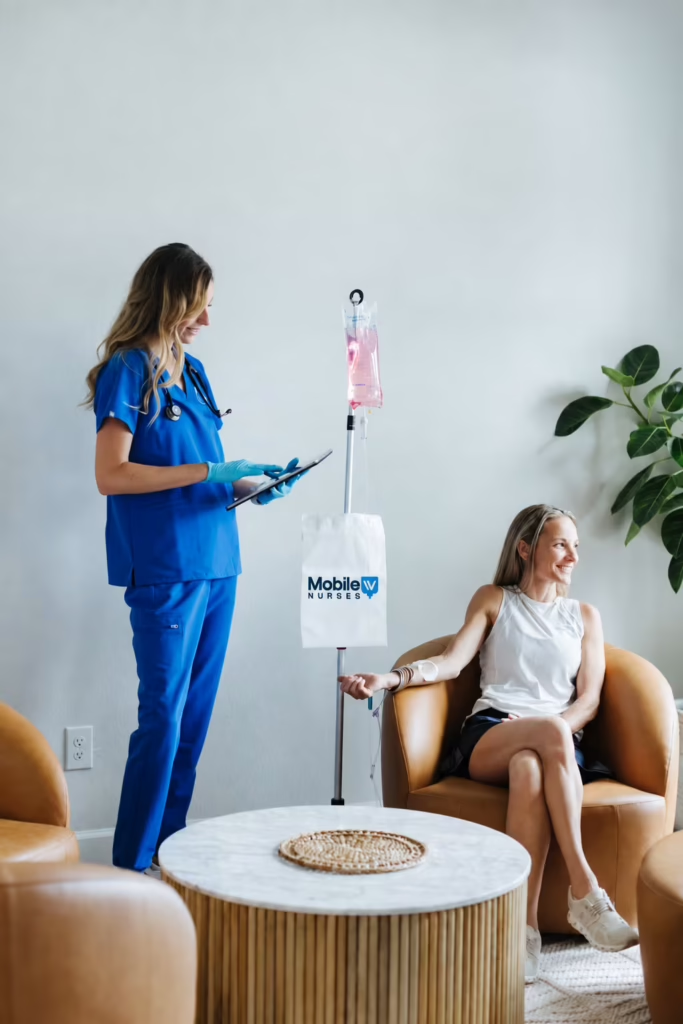
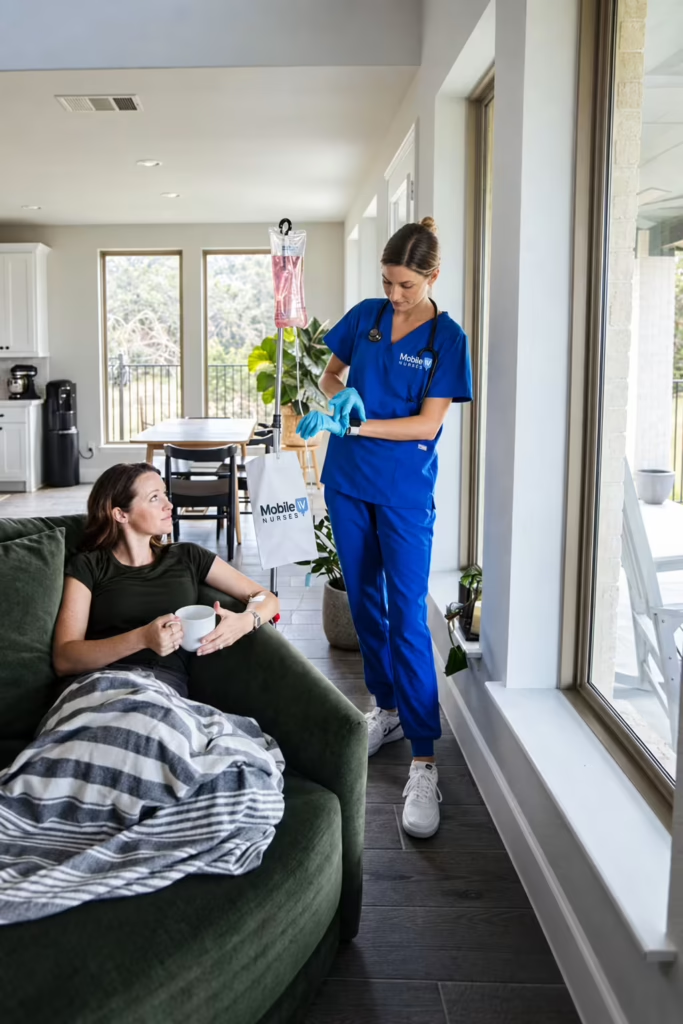
Pembroke Pines is a city of families and full schedules. Silver Lakes, Pembroke Falls, Chapel Trail: these are communities where weekends move between soccer games, pool time, grocery runs, and the occasional evening out near Pembroke Lakes Mall. Driving to a clinic and sitting in a waiting room rarely fits into that kind of day. Mobile IV therapy in Pembroke Pines sends a licensed healthcare professional directly to the client’s home, which means the session happens between commitments instead of requiring a separate trip.
Year-Round Conditions, Not Just Summer
South Florida’s wet season runs from May through October, accounting for the bulk of Pembroke Pines’ 66 inches of annual rainfall. But even dry-season months carry enough warmth and residual humidity to sustain low-grade fluid loss. Residents who exercise regularly, spend time outdoors, or deal with seasonal illness may carry a hydration gap that accumulates across weeks without triggering obvious symptoms. Cold and flu recovery during winter months is another situation where IV hydration may help the body replenish what oral fluids alone struggle to replace. The climate does not take a break, and neither does the body’s demand for fluids and nutrients.