From the First Call to the Last Drop: How an IV Works in Winter Park
An IV appointment in Winter Park runs as a sequence, and the infusion is only the middle of it. It starts when the booking is made and ends with a short observation period after the catheter comes out.
The first step is a health review on arrival. A licensed healthcare professional asks about symptoms, recent illness, medications and the day’s actual fluid intake, then recommends a drip from the IV drip packages and pricing menu. Nothing gets prepared before that conversation.
Why does the order matter?
Because the same symptoms come from different places. A flat afternoon after a day on the Winter Park Chain of Lakes and a flat afternoon in week two of a cold are not the same problem, and the review is what separates them.
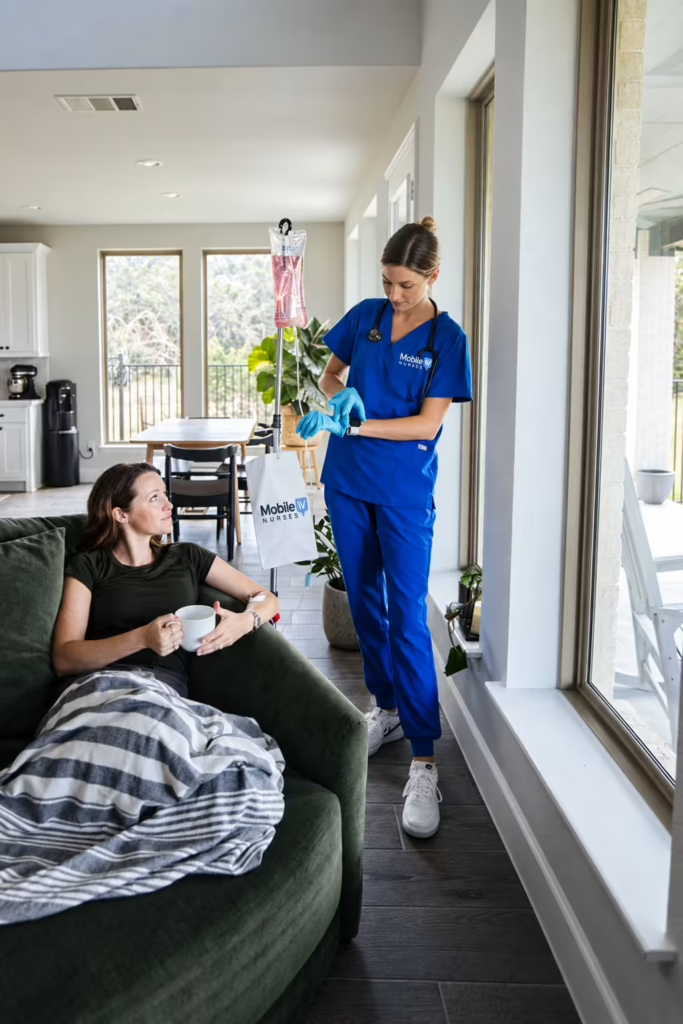
Access comes second. The site is cleaned, a small catheter goes in, and a sterile bag is connected. Setup is quick. People book this in living rooms off the old brick street grid, in apartments near Rollins College, which enrolled 3,029 students in 2024, and in offices around AdventHealth Winter Park, the city’s largest employer at about 1,600 people.
What is happening once the fluid is running?
Fluid and electrolytes enter the bloodstream directly instead of passing through the digestive tract first. That route is why IV therapy for dehydration is used after long humid stretches outdoors, and why vitamins added to the bag travel the same path.
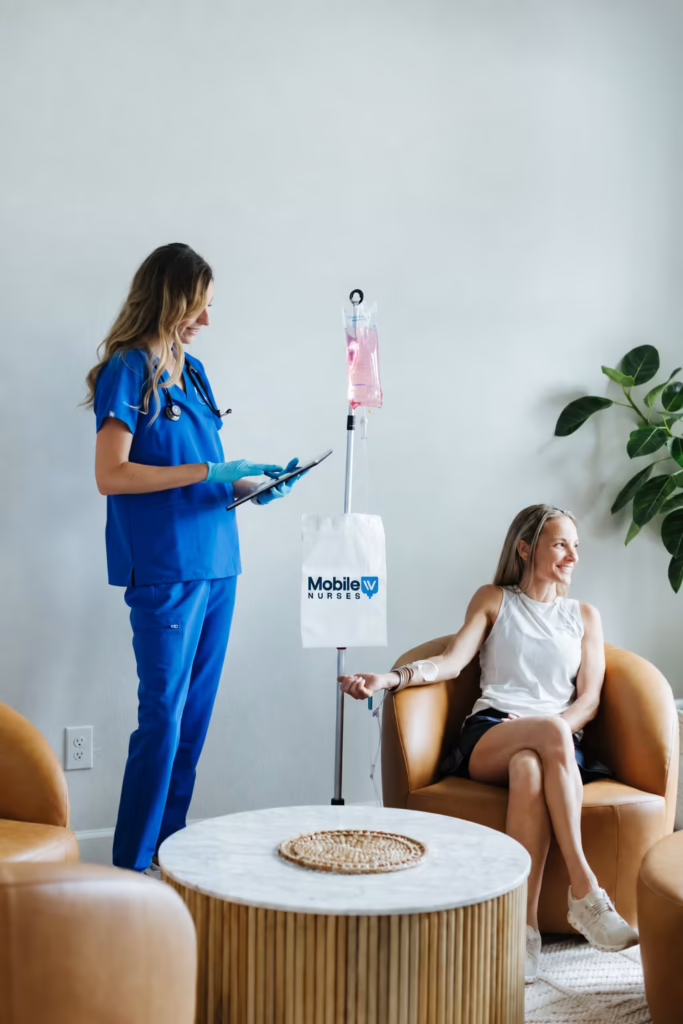
Third, the infusion runs while you sit. People read, work, or keep an eye on a child in the next room. Anyone who booked for IV therapy for fatigue usually closes their eyes instead. A provider stays for the whole thing.
Last, the line is flushed, the catheter is removed and the site is watched briefly before anyone leaves. In a city where the median age is 44.5 and nearly a quarter of residents are 65 or older, that final check carries more weight than the stick did. It is also why IV therapy for immune support comes up so often once flu season starts.