How Tucson’s Desert Climate Challenges Hydration and Health
Tucson sits at roughly 2,400 feet in a valley ringed by five mountain ranges, where summer highs push past 100°F and the air in June carries about 19% humidity. The city receives only about 12 inches of rain in an average year and logs around 286 sunny days. That combination strips moisture from the body at a pace most people underestimate. Sweat disappears from the skin almost instantly in air this dry, and the brain rarely registers the deficit in time to prevent it. By late afternoon on a July day, most residents are already behind on fluid and electrolyte intake without feeling particularly thirsty.
The outdoor culture here compounds the issue. Sabino Canyon, Saguaro National Park, Tumamoc Hill, and the trails winding through the Catalina Foothills attract hikers year-round. Even a moderate morning hike in October can pull enough fluid to cross the 2% body mass threshold where attention and coordination start to decline. Oral hydration works, but the digestive tract absorbs only about 50–60% of what passes through it, and the rate of loss in these conditions often outpaces what drinking can recover. IV therapy for dehydration and fluid loss offers a more direct path, delivering saline and electrolytes into the bloodstream without that absorption ceiling.
Events, University Life, and Recovery Demand
The calendar adds its own layer. The Tucson Gem, Mineral and Fossil Showcase brings more than 65,000 visitors to the city each February, many spending long days walking between outdoor vendor lots in dry winter air. The University of Arizona, with about 39,000 students, generates steady demand around football weekends, graduation events, and the kind of Thursday-to-Saturday nightlife rhythm that runs through the 4th Avenue and Congress Street corridors. The morning after that kind of schedule often arrives with hangover symptoms that sleep did not resolve. La Fiesta de los Vaqueros, the city’s rodeo tradition since 1925, and the All Souls Procession each stack heat exposure, crowd fatigue, and often alcohol into a single stretch of hours.
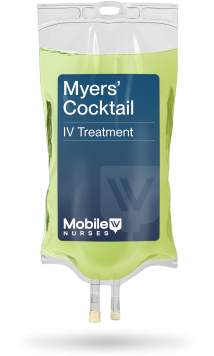
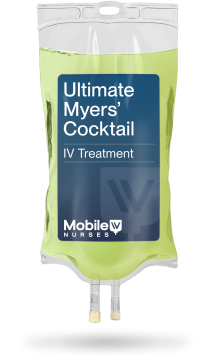
A Myers’ Cocktail IV drip that includes B-complex vitamins, magnesium, zinc, and vitamin C may help address the headache, nausea, and fatigue that tend to follow those kinds of days. NAD+ IV therapy is another option for clients looking for support with energy and cognitive clarity, particularly among professionals and graduate students managing long work cycles.
Why Mobile Delivery Fits Tucson
Mobile IV Nurses sends licensed healthcare professionals to homes, hotels, offices, and event spaces across the Tucson metro. The session takes about 45–60 minutes, and the fluid and nutrients begin entering the bloodstream immediately rather than waiting on digestion. The service covers the full Arizona service area with teams positioned for Southern Arizona, so availability is consistent even during peak demand around Gem Show season and university weekends. For residents dealing with persistent fatigue from desert heat exposure, that accessibility changes the math. The morning after does not have to be written off.