How Mobile IV Therapy Works in Thornton
The routine is familiar across Adams County. An early alarm. The merge onto I-25 heading south toward Denver. Eight or 9 hours behind a desk or on a job site. Then the reverse commute back, pulling off near Thornton Crossroads or the 120th Avenue corridor before the evening shift starts: dinner, homework help, maybe a walk through one of the city’s 81 parks. By that point, the body has been losing fluid for hours without any clear signal.
Thornton’s climate is the quiet accomplice. The city receives about 16 inches of rain per year and sits at about 5,351 feet above sea level. Humidity in July drops to around 46%, and summer highs push into the upper 80s to low 90s. At this altitude, respiration alone draws more water out of the body than most people expect. Tack on a morning run along the Thornton Trail System or a Saturday afternoon at Margaret Carpenter Recreation Center, and the fluid deficit builds fast.
What Happens During a Session
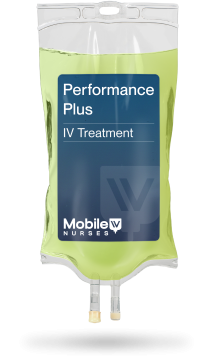
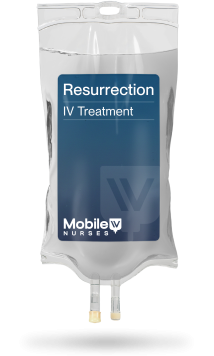
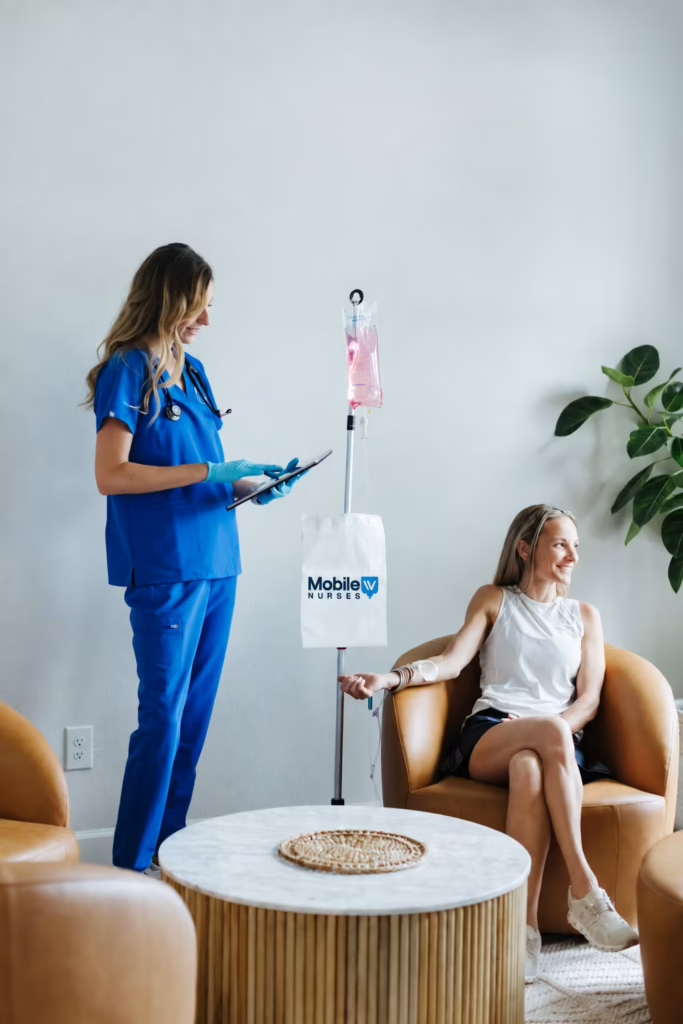
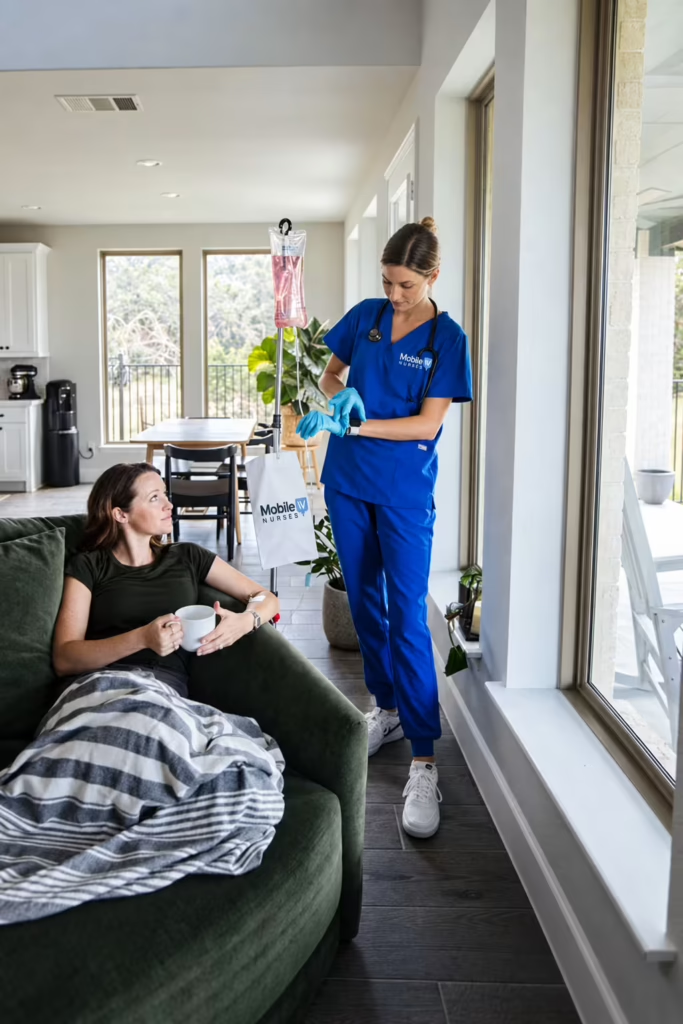
Mobile IV therapy sends a licensed nurse directly to the client’s home, office, or hotel. The nurse arrives with a complete kit, including sterile IV bags, vitamin add-ins, and monitoring equipment. A brief health screening covers the client’s medical history, current medications, allergies, and symptoms. That intake determines which IV package and add-ins fit the situation.
Once the catheter is placed, saline and selected nutrients flow directly into the bloodstream. This delivery method bypasses the stomach and intestines, where oral hydration loses efficiency to digestion and incomplete absorption. The infusion runs while the client reads, works, or watches a show. No clinic. No commute. No waiting room.
Why Thornton Residents Book
The reasons track closely with the city’s daily rhythms. Dehydration from altitude and dry air is the most common driver, especially after long outdoor days or back-to-back youth sports events. Hangover recovery picks up around weekends, particularly when an evening out in Denver or Broomfield meets the next morning’s schedule. Seasonal cold and flu support rises through fall and winter as schools cycle through illness. And for residents training on the city’s 80-plus miles of trails or preparing for altitude outings in the mountains west of the Front Range, an IV session helps address what water alone leaves behind.