Mobile IV Therapy Treatment for Cancer Patients

How Mobile IV Nurses provide cancer treatment hydration support with IV Therapy

IV Therapy for Cancer Patients

In a large U.S. survey, 88% of patients undergoing chemotherapy or radiotherapy reported at least one treatment-induced side effect. Nausea, dehydration, appetite loss, and bone-deep fatigue don’t just make recovery harder. They can delay treatment cycles, trigger ER visits for fluid replacement, and erode the energy reserves cancer patients depend on to keep fighting. When the digestive system can’t keep up with what the body is losing, oral supplements and water fall short.

An IV Built for Supportive Cancer Care

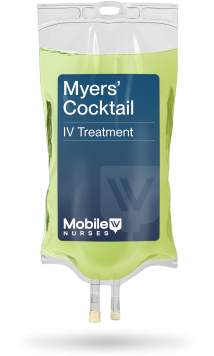
We recommend the Myers’ Cocktail IV for cancer patients because it delivers hydration alongside B-complex vitamins, vitamin C, magnesium, and zinc directly into the bloodstream, bypassing a digestive system already compromised by treatment. For patients dealing with severe nausea, adding Zofran provides targeted anti-nausea relief alongside nutrient replenishment.

Schedule Online Now

What Happens to the Body During Cancer Treatment

Cancer treatment works by targeting rapidly dividing cells. Chemotherapy and radiation accomplish this effectively, but the same mechanisms can damage healthy tissue in the gastrointestinal lining, immune cells, and hair follicles. The result is often a cascade of side effects that compound each other: nausea leads to reduced food and fluid intake, which accelerates dehydration, which worsens fatigue, which makes it harder to maintain the nutritional baseline the body needs to tolerate the next treatment cycle.

Dehydration during cancer care is particularly concerning. The National Cancer Institute identifies it as both a direct side effect of treatment and a contributor to secondary complications like cognitive changes and organ stress. Patients often lose fluids through vomiting, diarrhea, and fever simultaneously, creating a hydration deficit that drinking water or sports drinks struggles to overcome when the stomach lining is inflamed from treatment.

Our Happy Customers

10,000+ 5-Star Reviews
Erin Scott
Erin Scott 2026-01-06

Huge shout out to Brooke Dale in Las Vegas!

I was feeling terrible over the weekend and she was at our home within the hour. Fast, professional, and incredibly kind to me and my family. Mobile IV in Las Vegas is a must when you’re feeling down. 🤕 thank you Brooke!

Reagan Van Gelder
Reagan Van Gelder 2026-01-02

Had an amazing experience working with Olivia. She was incredibly knowledgeable and professional from start to finish, explained everything clearly, and truly took her time finding a good vein; which made the whole process comfortable and stress-free. You can tell she really cares about her clients and her work. I would highly recommend her services to anyone looking for a great IV experience.

Lori Roberts
Lori Roberts 2025-12-31

To the rescue!
Three of us in the family had IV therapy after the holidays, this was a great ‘pick me up’! For all of us. My mom also was in pain from aggravated arthritis, this morning she has nearly no pain! Hurray!!
Rachelle is so kind, her precision with needle sticks were spot on and hardly felt a pinch. We will be repeating therapies!

Patrick Florey
Patrick Florey 2025-12-16

I just had the worst food poisoning of my life, I fought it out as long as I could but after about 9 hours I was just completely depleted, couldn't keep anything down, and had the worst stomach cramps ive ever experienced. I went to the urgent care right by my house in hopes of getting an iv because i just lost every nutrient in my body. I lost my faith in urgent care and all of humanity in about a 4 minute span in that lobby. My wife ended up calling this mobile iv nurse to come to the house, and this angel of a man named Gabriel came and not only gave me the iv but advise on other things I could do on an empty stomach to ease all the horrible symptoms I had. And I didnt even have to sell a kidney to pay for it! For what these people do, the price is fantastic! Gabriel, I hope all the luck in the world finds you my man!

RRDC
RRDC 2025-12-11

Marissa always takes care of us, she’s the goat 🐐

Ashley Young
Ashley Young 2025-11-26

I had the best experience getting the Performance IV from Brooke! From start to finish, she was incredibly kind, professional, and attentive. She explained everything clearly, made me feel completely comfortable, and the whole process was seamless.

I walked out feeling recharged, refreshed, and ready for anything, exactly what I needed. The boost in energy and recovery was immediate and noticeable.

Brooke truly goes above and beyond for her clients, and it shows in every detail. If you’re considering IV therapy, she’s the one you want. Highly recommend!

Lisa M Story
Lisa M Story 2025-11-22

Our nurse, Brooke in Las Vegas was Amazing 🥰 The best bedside manner, she was professional, yet fun! 🥳 Literally like a vain whisperer with our IVs.
You couldn't even tell we had one after removed 😊
My husbancand I both felt awesome after our IV's, we had increased energy that stayed with us for days!! We Usually leave Vegas feeling hung over and wore out ……… not this time 🤩We will definitely be returning to Brooke next time we are in Las Vegas !!!

Laura Coffman
Laura Coffman 2025-11-20

I had the pleasure of Olivia C. administering my IV. She was very professional and kind. After receiving the Myers Cocktail and the NAD I felt great. All week I have had an extra pep in my step. Thank you for helping me feel better. Cant wait for the next one.

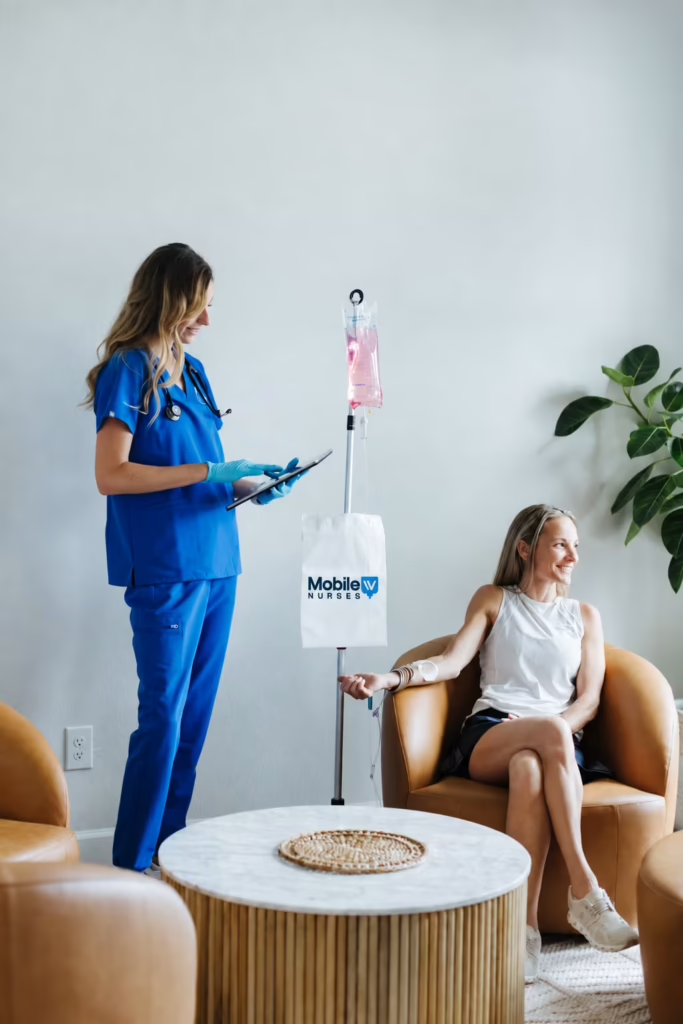
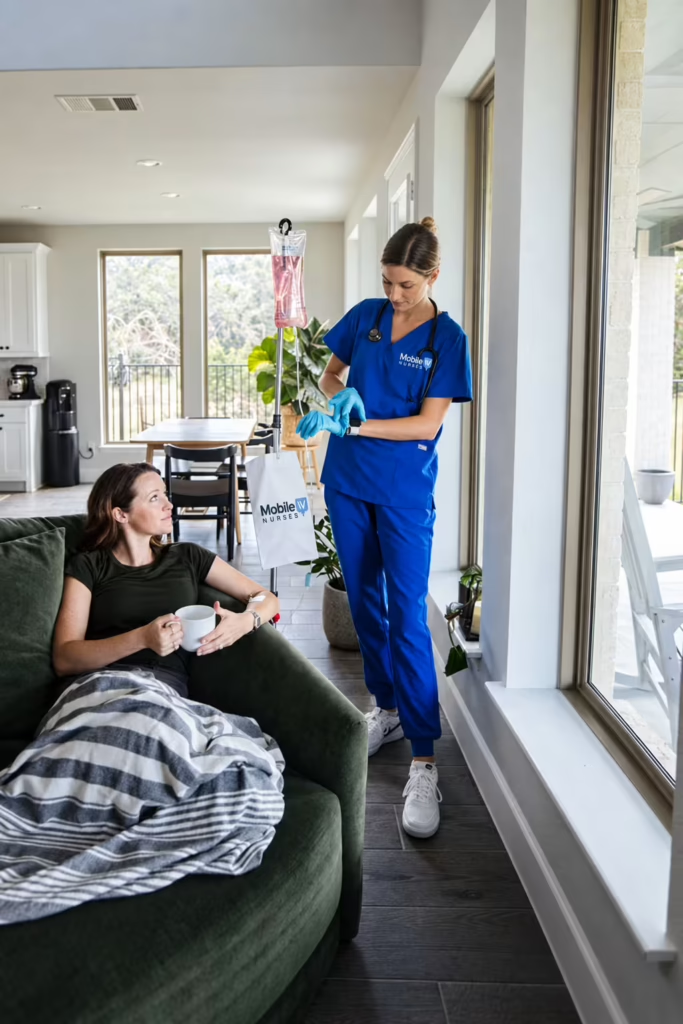
Mobile IV Nurse provides an IV drip for cancer patients seeking convenient at-home hydration support.

Recognizing Treatment-Related Depletion

Cancer treatment side effects don’t arrive one at a time. They layer on top of each other, making it difficult to distinguish what’s causing what. These signs are common during active treatment cycles:

  • Persistent nausea between treatment cycles: Unlike a passing stomach bug, chemo-related nausea can recur in waves for days after a session. Eating and drinking become a negotiation the body keeps losing.
  • Fatigue that sleep doesn’t resolve: Cancer-related fatigue sits deeper than tiredness. Eight hours of rest barely moves the needle because the depletion is cellular, not just physical.
  • Dark urine and dry mouth despite regular fluid intake: The GI tract’s reduced absorption capacity means oral fluids may pass through without fully hydrating tissues, a hallmark that distinguishes treatment-related dehydration from ordinary thirst.
  • Mouth sores and metallic taste: Painful oral ulcers and distorted flavor make even bland foods unbearable, cutting off a primary nutrition pathway and accelerating calorie and nutrient loss.
  • Unintended weight loss over weeks of treatment: Appetite suppression, nausea from treatment side effects, and pain combine to create a calorie deficit the body can’t self-correct during active treatment.
  • Increased bruising or slow wound healing: These signal that nutrient depletion, particularly zinc and vitamin C, may be impairing the body’s repair mechanisms when they’re needed most.

Why IV Delivery Changes the Equation for Cancer Patients

Oral supplements face a fundamental bottleneck during cancer treatment: the GI tract. Chemotherapy can inflame the stomach and intestinal lining, reducing the body’s ability to absorb nutrients from food, pills, or drinks. MD Anderson Cancer Center identifies nausea, vomiting, and trouble swallowing as direct barriers to oral rehydration.

IV therapy bypasses the digestive system entirely. Saline helps restore fluids and electrolytes directly in the bloodstream without requiring an irritated stomach to cooperate. B-complex vitamins play a role in cellular energy production. Vitamin C and zinc are known to support immune function, both of which may be depleted during chemotherapy. Magnesium may help address muscle cramping and nerve signaling disruptions common during treatment. Because nutrients enter the bloodstream directly, bioavailability may be significantly higher than oral supplements, where absorption drops when the GI tract is compromised. This is particularly relevant for immune support during cancer care, where consistent nutrient delivery matters most.

Need hydration support during treatment? Book an IV drip for cancer patients at home.

Who Should Consider IV Therapy During Cancer Treatment

Not every cancer patient needs IV support, and timing depends on individual treatment protocols. These are the situations where IV hydration may offer the most practical benefit:

  • Patients actively receiving chemotherapy or radiation: Treatment-related nausea, vomiting, and appetite loss can create a dehydration-nutrition spiral that oral intake alone often can’t reverse fast enough between cycles.
  • Post-surgical cancer patients (with physician clearance): Surgery can deplete fluids and nutrients rapidly, and IV hydration may help support stabilization during the initial recovery window.
  • Caregivers managing a loved one’s home recovery: When a patient can’t keep food or water down consistently, in-home IV therapy provides an alternative hydration pathway without an ER visit.
  • Patients experiencing cumulative fatigue across treatment cycles: Energy depletion during cancer care stems partly from nutrient and fluid deficits that IV replenishment may help address.
  • Who should NOT: Patients with severe kidney failure, active heart failure, or fluid-restriction orders from their oncology team. Always obtain oncologist clearance before scheduling IV therapy during cancer treatment.

What Happens When Cancer Patients Skip Supportive Hydration

Dehydration during cancer treatment doesn’t just feel uncomfortable. It can create a chain reaction that may interfere with the treatment timeline itself.

Treatment Delays and Dose Adjustments

When blood counts and hydration markers fall below certain thresholds, oncologists may postpone a chemotherapy cycle or reduce the dose. MD Anderson Cancer Center notes that dehydration can lead to complications including kidney problems and rapid heart rate, and that cancer treatments like diarrhea, vomiting, and fever all accelerate fluid loss. Maintaining hydration between treatment cycles may help keep the body in a position to tolerate the next round on schedule.

The Cost of Reactive vs. Proactive Hydration

A significant number of unplanned ER and urgent care visits during cancer treatment stem from dehydration-related symptoms: dizziness, fainting, uncontrolled nausea, or kidney stress. An in-home IV session with a licensed nurse delivers the same medical-grade saline used in clinical settings, often at a fraction of the cost of an ER visit, and without the waiting room. For immunocompromised patients, avoiding unnecessary hospital exposure is an added consideration. Check IV therapy packages and pricing to compare options.

Cumulative Nutrient Gaps

The body doesn’t just need fluids during cancer treatment. It needs the vitamins and minerals that play roles in immune function, tissue repair, and energy production. When nausea and appetite loss persist across weeks of treatment, deficiencies in B vitamins, vitamin C, zinc, and magnesium may compound. B vitamins support cellular energy metabolism and neurological function, while vitamin C plays a role in immune defense and tissue repair. Replenishing these nutrients intravenously may help close the gap that oral intake can’t keep pace with during active treatment.


Related Blog Posts

Your IV Therapy Process

IV Therapy for Cancer Patients Frequently Asked Questions

How much does IV therapy for cancer patients cost compared to an ER visit?

Mobile IV Nurses offers transparent pricing with no hidden fees and no travel fees within our service area. ER hydration visits can run significantly higher after copays and facility charges. Compare treatment packages and pricing to see available options.

Is it safe to get IV vitamin therapy while on chemotherapy?

Most cancer patients can receive saline-and-vitamin IV therapy with oncologist clearance. Certain supplements may interact with chemotherapy drugs, so a licensed nurse reviews health history and medications before every session.

How soon after a chemo session can I schedule an IV?

Timing depends on the specific chemotherapy protocol. Many patients schedule sessions 24–48 hours after treatment when side effects peak. Your oncologist can advise on the right window for your cycle.

Can I get a cancer support IV at home instead of a clinic?

Mobile IV Nurses sends licensed registered nurses to homes, offices, and hotels. After reviewing vitals and health history, the nurse administers a 45–60 minute cancer support infusion while the patient rests comfortably at home.

Will IV therapy interact with my prescribed cancer medications?

Pre-infusion screening by a licensed nurse identifies potential contraindications with cancer medications before any IV session begins. Patients should provide their oncologist’s treatment plan and current medication list at booking.

altitude-sickness
Professionally
Licensed Providers
Care That’s Personal,
Trust That’s Earned

Supportive Hydration Delivered to Your Door

Cancer treatment depletes what the body needs most. A single IV session delivers saline, B vitamins, vitamin C, and anti-nausea support directly to the bloodstream while a licensed nurse handles everything at your location. No clinic. No waiting room.

Schedule Now