Pollen, Plant Shifts, and Trail Days: Why Maryville Runs Short on Fluids
Blount County keeps people outdoors most of the year. The Cades Cove loop sits about half an hour from downtown, the Maryville-Alcoa Greenway runs straight through Bicentennial Park, and plenty of households log real mileage on an ordinary Tuesday rather than saving it for a weekend.
Effort in this climate returns less than it costs. Summer humidity here averages around 70%, which slows evaporation enough that sweating drains fluid without delivering much cooling in exchange. Cool air moving off the ridgelines makes the loss even harder to register.
Pollen adds a second load. Knoxville ranked 21st worst in the country for seasonal allergies this spring, and the deep valleys around Maryville hold onto what the trees release, with tree pollen now appearing in February and ragweed by early August. Congestion, broken sleep, and antihistamine dryness stack into a shortfall that builds over weeks, which is why IV therapy for seasonal allergy symptoms gets booked here well outside hangover season.
Then there is the work schedule. Denso runs its largest US plant in Maryville with about 4,500 employees, and rotating shifts at that scale mean a sizable share of the city wakes up on someone else’s clock. Sleep debt does not create dehydration on its own. It removes the cues people rely on to catch it.
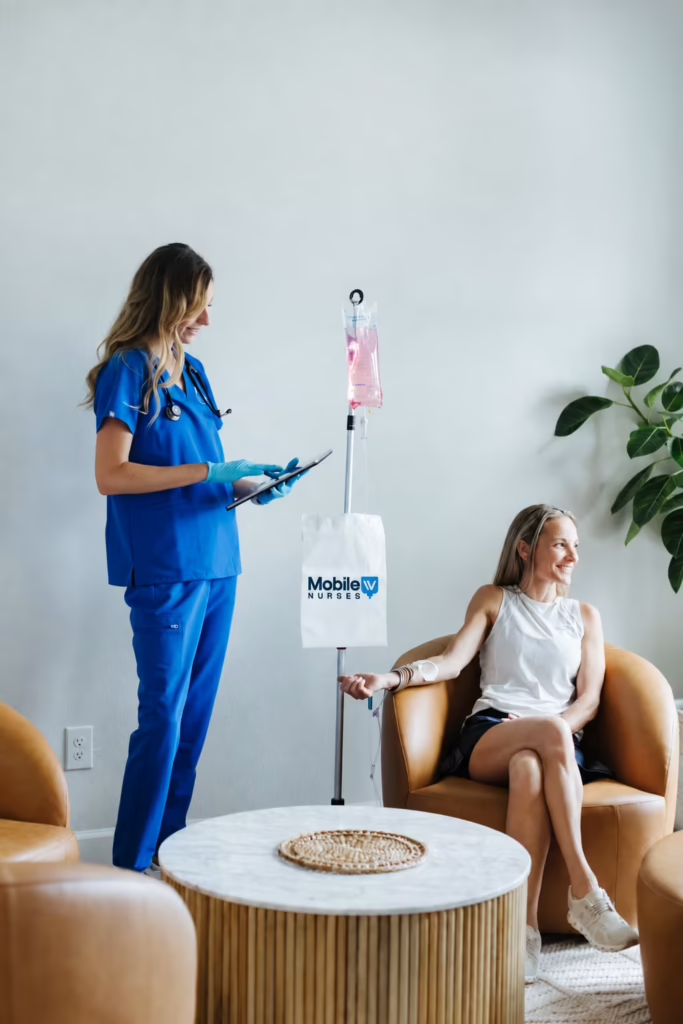
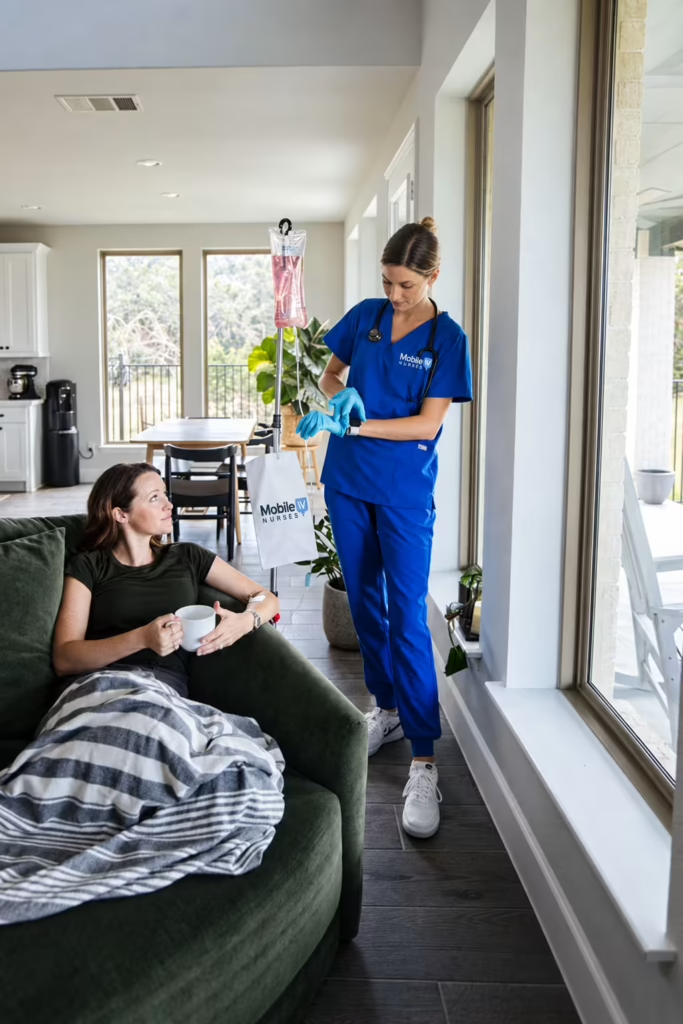
Whatever opened the deficit, the practical question stays the same. A licensed healthcare professional sets up in the living room, which suits IV hydration for dehydration recovery better than a drive up Alcoa Highway after a 12-hour rotation. For anyone coming off a hard climb, IV therapy for athletic recovery answers a different need.